Article

Electrolysis for gender-affirming care: facial feminization & surgery-prep hair removal

Electrolysis for Gender-Affirming Care: Facial Feminization & Surgery-Prep
Hair Removal

Electrolysis for Gender-Affirming Care: Facial Feminization & Surgery-Prep
Hair Removal

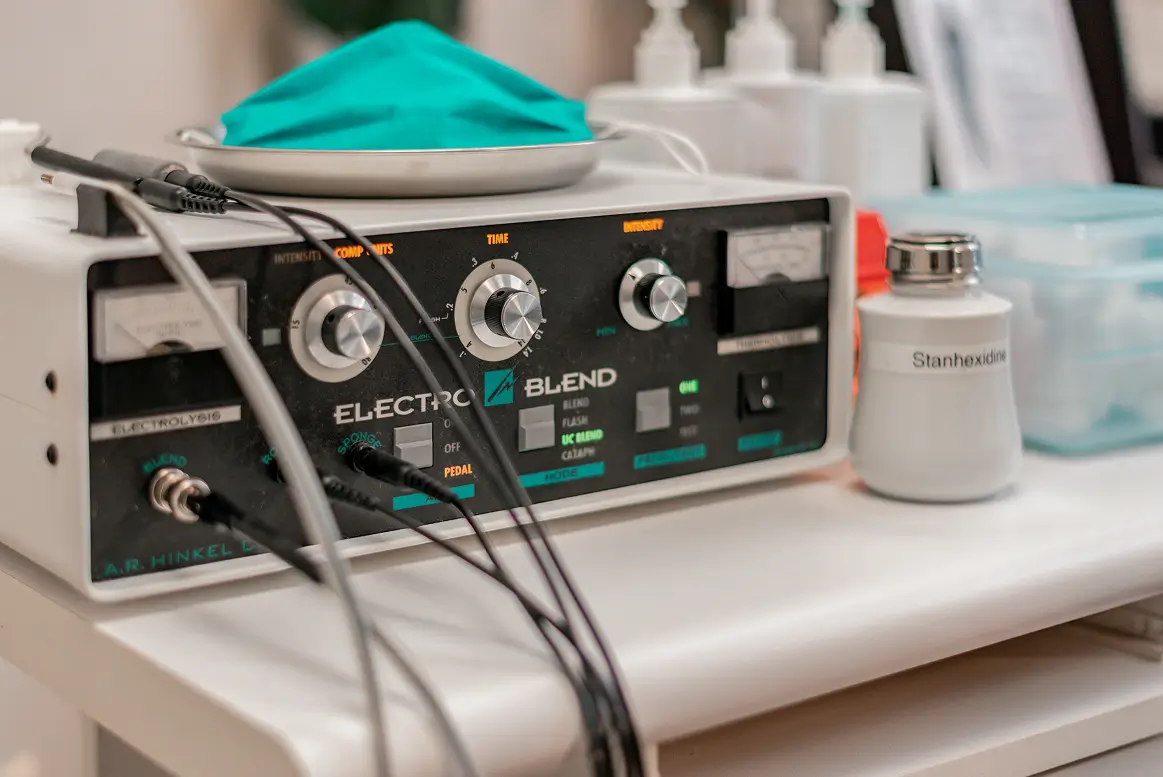
Bright, welcoming treatment room at Allard Studio of Electrolysis

For many people going through a gender transition, hair removal isn’t a cosmetic afterthought, it’s often one of the most immediate, visible parts of feeling at home in your own face and body. Whether you’re working on softening the appearance of a beard shadow, preparing for facial feminization surgery, or getting ready for a surgical procedure that requires a hair-free graft site, the method you choose matters. This is one area where electrolysis isn’t just a good option, it’s the standard of care.

Why hair removal matters in gender-affirming care

Facial and body hair carry a lot of social weight, and for many trans women and non-binary people, visible beard shadow or coarse body hair can be one of the more persistent sources of dysphoria, something that doesn’t fully resolve with makeup, styling, or clothing, and that hormone therapy alone often can’t fully address either.

Being able to permanently remove that hair not manage it, not reduce it, but actually be done with it, is part of what allows the rest of your presentation and your daily life to reflect who you are, without a maintenance routine standing in the way every single day.

Why Hair Removal Matters in Gender-Affirming Care

Facial and body hair carry a lot of social weight, and for many trans women and non-binary people, visible beard shadow or coarse body hair can be one of the more persistent sources of dysphoria, something that doesn’t fully resolve with makeup, styling, or clothing, and that hormone therapy alone often can’t fully address either.

Being able to permanently remove that hair not manage it, not reduce it, but actually be done with it, is part of what allows the rest of your presentation and your daily life to reflect who you are, without a maintenance routine standing in the way every single day.

Why Hair Removal Matters in Gender-Affirming Care

Facial and body hair carry a lot of social weight, and for many trans women and non-binary people, visible beard shadow or coarse body hair can be one of the more persistent sources of dysphoria, something that doesn’t fully resolve with makeup, styling, or clothing, and that hormone therapy alone often can’t fully address either.

Being able to permanently remove that hair not manage it, not reduce it, but actually be done with it, is part of what allows the rest of your presentation and your daily life to reflect who you are, without a maintenance routine standing in the way every single day.

Facial feminization: softening masculine hair patterns

Facial hair growth patterns typically established during puberty along the jaw, upper lip, chin, sideburns, and neck; tend to be some of the most stubborn and dysphoria-triggering areas to deal with. These patterns are often driven by testosterone exposure earlier in life, and while hormone therapy can slow new growth to some degree, it typically does very little to remove hair that’s already established.

This is where electrolysis plays a central role in facial feminization. Because it treats each follicle individually, it can be used to work through an entire beard-pattern area systematically over a series of sessions, following the natural contours of your face and giving you input into the final hairline and shape along the way. It’s not just about removing hair, many clients work with their electrologist on shaping and softening the hairline itself as part of the process.

Facial Feminization: Softening Masculine Hair Patterns

Facial hair growth patterns typically established during puberty along the jaw, upper lip, chin, sideburns, and neck; tend to be some of the most stubborn and dysphoria-triggering areas to deal with. These patterns are often driven by testosterone exposure earlier in life, and while hormone therapy can slow new growth to some degree, it typically does very little to remove hair that’s already established.

This is where electrolysis plays a central role in facial feminization. Because it treats each follicle individually, it can be used to work through an entire beard-pattern area systematically over a series of sessions, following the natural contours of your face and giving you input into the final hairline and shape along the way. It’s not just about removing hair, many clients work with their electrologist on shaping and softening the hairline itself as part of the process.

Facial Feminization: Softening Masculine Hair Patterns

Facial hair growth patterns typically established during puberty along the jaw, upper lip, chin, sideburns, and neck; tend to be some of the most stubborn and dysphoria-triggering areas to deal with. These patterns are often driven by testosterone exposure earlier in life, and while hormone therapy can slow new growth to some degree, it typically does very little to remove hair that’s already established.

This is where electrolysis plays a central role in facial feminization. Because it treats each follicle individually, it can be used to work through an entire beard-pattern area systematically over a series of sessions, following the natural contours of your face and giving you input into the final hairline and shape along the way. It’s not just about removing hair, many clients work with their electrologist on shaping and softening the hairline itself as part of the process.

Hair removal before gender-affirming surgery

For anyone preparing for certain gender-affirming surgical procedures including vaginoplasty and other procedures that use genital or other donor-site skin, hair removal at the surgical site isn’t optional, it’s a medical prerequisite. Hair follicles left in place at a graft or flap site will continue producing hair after surgery, in a location where that’s not just a cosmetic concern but a functional and hygiene one.

Because of this, most surgeons require documented, complete hair removal at the donor site before they’ll schedule surgery and electrolysis is the method typically recommended and, in many surgical programs, required, specifically because it’s the only method that reliably and permanently clears every follicle rather than just reducing hair density.

This kind of pre-surgical hair removal takes planning. It typically needs to start well in advance of a surgery date, since clearing an area completely takes multiple sessions over time, and most surgical programs require a documented completion window before your procedure. If you have a surgery date or are in the process of getting one, the earlier you start this conversation, the more comfortably that timeline can be managed.

It’s worth being clear that this isn’t only a consideration for trans women. Trans men and non-binary people pursuing procedures such as phalloplasty, which often uses donor tissue from the forearm or thigh, face the same requirement: the donor site needs to be permanently hair-free before it can be used, for the same functional and hygiene reasons. Whatever direction your transition is moving, if a surgical procedure involves donor-site skin, permanent hair removal at that site is very likely part of your prerequisites and worth raising with your surgical team as early as possible.

Hair Removal Before Gender-Affirming Surgery

For anyone preparing for certain gender-affirming surgical procedures including vaginoplasty and other procedures that use genital or other donor-site skin, hair removal at the surgical site isn’t optional, it’s a medical prerequisite. Hair follicles left in place at a graft or flap site will continue producing hair after surgery, in a location where that’s not just a cosmetic concern but a functional and hygiene one.

Because of this, most surgeons require documented, complete hair removal at the donor site before they’ll schedule surgery and electrolysis is the method typically recommended and, in many surgical programs, required, specifically because it’s the only method that reliably and permanently clears every follicle rather than just reducing hair density.

This kind of pre-surgical hair removal takes planning. It typically needs to start well in advance of a surgery date, since clearing an area completely takes multiple sessions over time, and most surgical programs require a documented completion window before your procedure. If you have a surgery date or are in the process of getting one, the earlier you start this conversation, the more comfortably that timeline can be managed.

It’s worth being clear that this isn’t only a consideration for trans women. Trans men and non-binary people pursuing procedures such as phalloplasty, which often uses donor tissue from the forearm or thigh, face the same requirement: the donor site needs to be permanently hair-free before it can be used, for the same functional and hygiene reasons. Whatever direction your transition is moving, if a surgical procedure involves donor-site skin, permanent hair removal at that site is very likely part of your prerequisites and worth raising with your surgical team as early as possible.

Hair Removal Before Gender-Affirming Surgery

For anyone preparing for certain gender-affirming surgical procedures including vaginoplasty and other procedures that use genital or other donor-site skin, hair removal at the surgical site isn’t optional, it’s a medical prerequisite. Hair follicles left in place at a graft or flap site will continue producing hair after surgery, in a location where that’s not just a cosmetic concern but a functional and hygiene one.

Because of this, most surgeons require documented, complete hair removal at the donor site before they’ll schedule surgery and electrolysis is the method typically recommended and, in many surgical programs, required, specifically because it’s the only method that reliably and permanently clears every follicle rather than just reducing hair density.

This kind of pre-surgical hair removal takes planning. It typically needs to start well in advance of a surgery date, since clearing an area completely takes multiple sessions over time, and most surgical programs require a documented completion window before your procedure. If you have a surgery date or are in the process of getting one, the earlier you start this conversation, the more comfortably that timeline can be managed.

It’s worth being clear that this isn’t only a consideration for trans women. Trans men and non-binary people pursuing procedures such as phalloplasty, which often uses donor tissue from the forearm or thigh, face the same requirement: the donor site needs to be permanently hair-free before it can be used, for the same functional and hygiene reasons. Whatever direction your transition is moving, if a surgical procedure involves donor-site skin, permanent hair removal at that site is very likely part of your prerequisites and worth raising with your surgical team as early as possible.

Common areas clients bring in

Every client’s goals are different, but the areas that come up most often include:

  • Upper lip, chin, and sideburns often the highest-priority areas for facial feminization, since these are some of the most visible, dysphoria-triggering spots.

  • Jawline, throat, and neck frequently treated alongside the lower face as part of a cohesive facial feminization plan.

  • Chest, nipples, and abdomen commonly raised by clients working through broader body hair concerns, not just facial goals.

  • Surgical donor sites the specific area depends entirely on the procedure and your surgeon’s requirements.

There’s no fixed starting point that’s “right” some clients begin with the face, others start with a surgical timeline in mind and work backward. Your plan is built around your priorities, not a generic checklist.

Common Areas Clients Bring In

Every client’s goals are different, but the areas that come up most often include:

  • Upper lip, chin, and sideburns often the highest-priority areas for facial feminization, since these are some of the most visible, dysphoria-triggering spots.

  • Jawline, throat, and neck frequently treated alongside the lower face as part of a cohesive facial feminization plan.

  • Chest, nipples, and abdomen commonly raised by clients working through broader body hair concerns, not just facial goals.

  • Surgical donor sites the specific area depends entirely on the procedure and your surgeon’s requirements.

There’s no fixed starting point that’s “right” some clients begin with the face, others start with a surgical timeline in mind and work backward. Your plan is built around your priorities, not a generic checklist.

Common Areas Clients Bring In

Every client’s goals are different, but the areas that come up most often include:

  • Upper lip, chin, and sideburns often the highest-priority areas for facial feminization, since these are some of the most visible, dysphoria-triggering spots.

  • Jawline, throat, and neck frequently treated alongside the lower face as part of a cohesive facial feminization plan.

  • Chest, nipples, and abdomen commonly raised by clients working through broader body hair concerns, not just facial goals.

  • Surgical donor sites the specific area depends entirely on the procedure and your surgeon’s requirements.

There’s no fixed starting point that’s “right” some clients begin with the face, others start with a surgical timeline in mind and work backward. Your plan is built around your priorities, not a generic checklist.

How HRT affects hair growth

Hormone therapy changes a lot about how the body works, and hair is part of that but it’s a common misconception that HRT alone will handle unwanted hair over time. In general terms, feminizing hormone therapy can slow the rate of new hair growth and may make some hair finer over time, but it typically does not eliminate hair that’s already established, and results vary significantly from person to person based on genetics, how long hair has been present, and individual hormone response.

This is exactly why so many people pursue electrolysis alongside or after starting HRT not instead of hormone therapy, but as the piece that actually finishes the job hormones alone usually can’t.

(This is general information, not medical advice specific to your situation. Your hormone therapy provider or surgical team is the right resource for questions about your individual treatment plan and timeline.)

How HRT Affects Hair Growth

Hormone therapy changes a lot about how the body works, and hair is part of that but it’s a common misconception that HRT alone will handle unwanted hair over time. In general terms, feminizing hormone therapy can slow the rate of new hair growth and may make some hair finer over time, but it typically does not eliminate hair that’s already established, and results vary significantly from person to person based on genetics, how long hair has been present, and individual hormone response.

This is exactly why so many people pursue electrolysis alongside or after starting HRT not instead of hormone therapy, but as the piece that actually finishes the job hormones alone usually can’t.

(This is general information, not medical advice specific to your situation. Your hormone therapy provider or surgical team is the right resource for questions about your individual treatment plan and timeline.)

How HRT Affects Hair Growth

Hormone therapy changes a lot about how the body works, and hair is part of that but it’s a common misconception that HRT alone will handle unwanted hair over time. In general terms, feminizing hormone therapy can slow the rate of new hair growth and may make some hair finer over time, but it typically does not eliminate hair that’s already established, and results vary significantly from person to person based on genetics, how long hair has been present, and individual hormone response.

This is exactly why so many people pursue electrolysis alongside or after starting HRT not instead of hormone therapy, but as the piece that actually finishes the job hormones alone usually can’t.

(This is general information, not medical advice specific to your situation. Your hormone therapy provider or surgical team is the right resource for questions about your individual treatment plan and timeline.)

Why electrolysis is the recommended method for
this work

A few reasons electrolysis is consistently the method recommended for gender-affirming hair removal, rather than laser:

  • It works on every hair colour, including the lighter, finer hair that sometimes develops as a side effect of hormone therapy, hair laser typically cannot treat effectively at all.

  • It works on every skin tone, without the elevated risk of burns or pigment change that laser carries on darker skin.

  • It’s genuinely permanent, which matters enormously for a pre-surgical requirement, a surgeon needs a donor site to stay hair-free, not just “reduced,” indefinitely.

  • It allows for precise, individualized shaping particularly relevant for facial feminization, where the pattern of remaining hair (not just the volume) affects how feminine a hairline or jawline reads.

Why Electrolysis
Is the Recommended Method for

This Work

A few reasons electrolysis is consistently the method recommended for gender-affirming hair removal, rather than laser:

  • It works on every hair colour, including the lighter, finer hair that sometimes develops as a side effect of hormone therapy, hair laser typically cannot treat effectively at all.

  • It works on every skin tone, without the elevated risk of burns or pigment change that laser carries on darker skin.

  • It’s genuinely permanent, which matters enormously for a pre-surgical requirement, a surgeon needs a donor site to stay hair-free, not just “reduced,” indefinitely.

  • It allows for precise, individualized shaping particularly relevant for facial feminization, where the pattern of remaining hair (not just the volume) affects how feminine a hairline or jawline reads.

Why Electrolysis Is the Recommended Method for
This Work

A few reasons electrolysis is consistently the method recommended for gender-affirming hair removal, rather than laser:

  • It works on every hair colour, including the lighter, finer hair that sometimes develops as a side effect of hormone therapy, hair laser typically cannot treat effectively at all.

  • It works on every skin tone, without the elevated risk of burns or pigment change that laser carries on darker skin.

  • It’s genuinely permanent, which matters enormously for a pre-surgical requirement, a surgeon needs a donor site to stay hair-free, not just “reduced,” indefinitely.

  • It allows for precise, individualized shaping particularly relevant for facial feminization, where the pattern of remaining hair (not just the volume) affects how feminine a hairline or jawline reads.

Why Electrolysis Is the Recommended Method for
This Work

A few reasons electrolysis is consistently the method recommended for gender-affirming hair removal, rather than laser:

  • It works on every hair colour, including the lighter, finer hair that sometimes develops as a side effect of hormone therapy, hair laser typically cannot treat effectively at all.

  • It works on every skin tone, without the elevated risk of burns or pigment change that laser carries on darker skin.

  • It’s genuinely permanent, which matters enormously for a pre-surgical requirement, a surgeon needs a donor site to stay hair-free, not just “reduced,” indefinitely.

  • It allows for precise, individualized shaping particularly relevant for facial feminization, where the pattern of remaining hair (not just the volume) affects how feminine a hairline or jawline reads.

What to expect at your first visit at Allard Studio

⚠️ Melody Froc, owner and operator of Allard Studio of Electrolysis in Chilliwack, BC since 2000, is an approved provider for gender-affirming surgery preparation hair removal, with more than 30,000 treatments and a 5.0 Google rating over her career.

Every new client begins with a complimentary consultation and sample treatment. This is a chance to talk through your goals, whether that’s facial feminization, surgery-site preparation with a specific timeline, or general body hair, ask any questions, and get a feel for what a session is actually like before committing to a full plan. If you have a surgery date, bring it to your consultation; your treatment plan and timeline will be built around it.

What to Expect at Your First Visit at Allard Studio

⚠️ Melody Froc, owner and operator of Allard Studio of Electrolysis in Chilliwack, BC since 2000, is an approved provider for gender-affirming surgery preparation hair removal, with more than 30,000 treatments and a 5.0 Google rating over her career.

Every new client begins with a complimentary consultation and sample treatment. This is a chance to talk through your goals, whether that’s facial feminization, surgery-site preparation with a specific timeline, or general body hair, ask any questions, and get a feel for what a session is actually like before committing to a full plan. If you have a surgery date, bring it to your consultation; your treatment plan and timeline will be built around it.

What to Expect at Your First Visit at Allard Studio

⚠️ Melody Froc, owner and operator of Allard Studio of Electrolysis in Chilliwack, BC since 2000, is an approved provider for gender-affirming surgery preparation hair removal, with more than 30,000 treatments and a 5.0 Google rating over her career.

Every new client begins with a complimentary consultation and sample treatment. This is a chance to talk through your goals, whether that’s facial feminization, surgery-site preparation with a specific timeline, or general body hair, ask any questions, and get a feel for what a session is actually like before committing to a full plan. If you have a surgery date, bring it to your consultation; your treatment plan and timeline will be built around it.

You don’t need a confirmed timeline to start

You don’t need to be scheduled for surgery, or even certain that surgery is part of your path, to start this work. Plenty of clients begin electrolysis simply because facial or body hair is affecting how they feel day to day, long before or entirely separate from any surgical planning. Others come in specifically because a surgeon’s office has given them a documentation deadline and they’re working backward from a date. Both are common, and both get the same level of care.

If your plans shift along the way timeline changes, priorities change, a procedure gets rescheduled your treatment plan can shift with you. This isn’t a rigid package; it’s an ongoing relationship that adjusts as your circumstances do.

You Don’t Need a Confirmed Timeline to Start

You don’t need to be scheduled for surgery, or even certain that surgery is part of your path, to start this work. Plenty of clients begin electrolysis simply because facial or body hair is affecting how they feel day to day, long before or entirely separate from any surgical planning. Others come in specifically because a surgeon’s office has given them a documentation deadline and they’re working backward from a date. Both are common, and both get the same level of care.

If your plans shift along the way timeline changes, priorities change, a procedure gets rescheduled your treatment plan can shift with you. This isn’t a rigid package; it’s an ongoing relationship that adjusts as your circumstances do.

You Don’t Need a Confirmed Timeline to Start

You don’t need to be scheduled for surgery, or even certain that surgery is part of your path, to start this work. Plenty of clients begin electrolysis simply because facial or body hair is affecting how they feel day to day, long before or entirely separate from any surgical planning. Others come in specifically because a surgeon’s office has given them a documentation deadline and they’re working backward from a date. Both are common, and both get the same level of care.

If your plans shift along the way timeline changes, priorities change, a procedure gets rescheduled your treatment plan can shift with you. This isn’t a rigid package; it’s an ongoing relationship that adjusts as your circumstances do.

Privacy, respect, and working at your pace

⚠️ Respect, care, and putting each client’s needs first are central to how Melody approaches every client relationship, regardless of the reason someone is seeking treatment. Your reasons for being here are your own, treatment is private and one-on-one, and the plan is shaped around your goals and your timeline, not a generic package.

That extends to the practical details too: how you’d like to be addressed, what you’re comfortable discussing, and how much detail you want to share about your broader transition are entirely up to you. A consultation is as much about making sure you feel comfortable with your provider as it is about the treatment plan itself and there’s no obligation to move forward until that feels right.

Privacy, Respect, and Working at Your Pace

⚠️ Respect, care, and putting each client’s needs first are central to how Melody approaches every client relationship, regardless of the reason someone is seeking treatment. Your reasons for being here are your own, treatment is private and one-on-one, and the plan is shaped around your goals and your timeline, not a generic package.

That extends to the practical details too: how you’d like to be addressed, what you’re comfortable discussing, and how much detail you want to share about your broader transition are entirely up to you. A consultation is as much about making sure you feel comfortable with your provider as it is about the treatment plan itself and there’s no obligation to move forward until that feels right.

Privacy, Respect, and Working at Your Pace

⚠️ Respect, care, and putting each client’s needs first are central to how Melody approaches every client relationship, regardless of the reason someone is seeking treatment. Your reasons for being here are your own, treatment is private and one-on-one, and the plan is shaped around your goals and your timeline, not a generic package.

That extends to the practical details too: how you’d like to be addressed, what you’re comfortable discussing, and how much detail you want to share about your broader transition are entirely up to you. A consultation is as much about making sure you feel comfortable with your provider as it is about the treatment plan itself and there’s no obligation to move forward until that feels right.

How to prepare for your
first session

A few things that make a first visit go smoothly, whatever your starting point:

  • Let hair grow in before your consultation. Your electrologist needs to see the actual hair pattern and growth to give you an accurate assessment and plan so try not to shave, wax, or tweeze the area for a few days beforehand if possible.

  • Bring any surgical documentation requirements. If your surgeon’s office has given you specific paperwork, deadlines, or donor-site instructions, bring them. It helps build a plan that actually lines up with your timeline.

  • Come with questions. Whether it’s about the process, the timeline, what a session feels like, or anything else the consultation is built for exactly that.

  • There’s no need to over-explain yourself. You’re welcome to share as much or as little context about your transition as you’re comfortable with. The plan is built around the hair and the goals, not around justifying either.

How to Prepare for Your
First Session

A few things that make a first visit go smoothly, whatever your starting point:

  • Let hair grow in before your consultation. Your electrologist needs to see the actual hair pattern and growth to give you an accurate assessment and plan so try not to shave, wax, or tweeze the area for a few days beforehand if possible.

  • Bring any surgical documentation requirements. If your surgeon’s office has given you specific paperwork, deadlines, or donor-site instructions, bring them. It helps build a plan that actually lines up with your timeline.

  • Come with questions. Whether it’s about the process, the timeline, what a session feels like, or anything else the consultation is built for exactly that.

  • There’s no need to over-explain yourself. You’re welcome to share as much or as little context about your transition as you’re comfortable with. The plan is built around the hair and the goals, not around justifying either.

How to Prepare for Your
First Session

A few things that make a first visit go smoothly, whatever your starting point:

  • Let hair grow in before your consultation. Your electrologist needs to see the actual hair pattern and growth to give you an accurate assessment and plan so try not to shave, wax, or tweeze the area for a few days beforehand if possible.

  • Bring any surgical documentation requirements. If your surgeon’s office has given you specific paperwork, deadlines, or donor-site instructions, bring them. It helps build a plan that actually lines up with your timeline.

  • Come with questions. Whether it’s about the process, the timeline, what a session feels like, or anything else the consultation is built for exactly that.

  • There’s no need to over-explain yourself. You’re welcome to share as much or as little context about your transition as you’re comfortable with. The plan is built around the hair and the goals, not around justifying either.

Ready to talk through
your timeline?

Whether you’re early in exploring your options or working against a confirmed surgery date, a complimentary consultation and sample treatment at Allard Studio of Electrolysis is a good place to start the conversation at your pace, on your terms.

Ready to
Talk Through

Your Timeline?

Whether you’re early in exploring your options or working against a confirmed surgery date, a complimentary consultation and sample treatment at Allard Studio of Electrolysis is a good place to start the conversation at your pace, on your terms.

Ready to Talk Through
Your Timeline?

Whether you’re early in exploring your options or working against a confirmed surgery date, a complimentary consultation and sample treatment at Allard Studio of Electrolysis is a good place to start the conversation at your pace, on your terms.

Ready to Talk Through
Your Timeline?

Whether you’re early in exploring your options or working against a confirmed surgery date, a complimentary consultation and sample treatment at Allard Studio of Electrolysis is a good place to start the conversation at your pace, on your terms.

finally get permanent results

Hair removal for:

Any Skin Type

Every Hair Colour

Safe & Hygienic

FAQs

FAQs

FAQs

If you haven’t had electrolysis treatment before, this information might be useful to you. If you still want to learn more, you can call the studio and we’ll be happy to answer any questions you have.

Does electrolysis work on hair that’s changed texture or colour from hormone therapy?

Yes. Because electrolysis treats the follicle directly rather than relying on hair pigment, it’s effective regardless of how HRT may have changed your hair’s colour or texture including finer or lighter hair that laser typically can’t treat.

How far in advance of surgery should I start hair removal?

This depends on the treatment area, your hair density, and your surgeon’s specific documentation requirements, so it’s best planned in coordination with both your electrologist and your surgical team as early as possible. Starting early gives the most flexibility for scheduling around your surgery date.

Will my surgeon accept electrolysis as proof of hair removal for surgery prep?

Electrolysis is the method most commonly required or recommended by surgical programs for donor-site hair removal, specifically because it’s permanent. Documentation requirements vary by surgeon, so confirm the specific requirements with your surgical team.

Is facial feminization hair removal just about removing hair, or does it involve shaping too?

Both. Many clients work with their electrologist not just to remove hair but to shape and soften the hairline and beard-pattern area as part of the process, which is part of what makes an individualized, session-by-session approach valuable.

Can I start electrolysis before I’ve started HRT, or before I have a surgery date confirmed?

Yes. Many clients begin hair removal work independently of where they are in their broader transition timeline you don’t need to have hormone therapy or a surgery date in place to start.

Is treatment private?

Yes. Sessions are one-on-one, and your goals, timeline, and reasons for treatment are treated with the same care and confidentiality as any other client relationship.

Does this cost more than standard hair removal?

Pricing is based on treatment area and time, the same as any electrolysis plan, not on the reason you’re seeking treatment. Specifics are best discussed in your consultation.

What if I’m not sure electrolysis is the right choice yet?

That’s a completely reasonable place to start from. A consultation isn’t a commitment it’s a conversation. Many clients use that first visit simply to understand their options, ask questions, and get a feel for the process before deciding on anything.

Say a final goodbye to unwanted hair

Book your complimentary consultation with Allard studio and bring an end to waxing, pulling, and plucking for good.

Gloved hands performing facial electrolysis on a reclining client
Electrologist using a magnification lamp to treat hair on a client's back
Client filling out a consultation form with an electrologist at the studio

Say a final goodbye to unwanted hair

Book your complimentary consultation with Allard studio and bring an end to waxing, pulling, and plucking for good.

  • Electrologist using a magnification lamp to treat hair on a client's back
  • Gloved hands performing facial electrolysis on a reclining client
  • Client filling out a consultation form with an electrologist at the studio

Say a final goodbye to unwanted hair

Book your complimentary consultation with Allard studio and bring an end to waxing, pulling, and plucking for good.

  • Electrologist using a magnification lamp to treat hair on a client's back
  • Gloved hands performing facial electrolysis on a reclining client
  • Client filling out a consultation form with an electrologist at the studio

Say a final goodbye to unwanted hair

Book your complimentary consultation with Allard studio and bring an end to waxing, pulling, and plucking for good.

Gloved hands performing facial electrolysis on a reclining client
Electrologist using a magnification lamp to treat hair on a client's back
Client filling out a consultation form with an electrologist at the studio

Ready to start permanent hair removal?

Certifications:

Certified 500-hr Graduate Electrologist | ATIA

Certified Canadian Electrologist | FCEA

Registered Electrologist in Good Standing | TAPEBC

Certified Professional Electrologist | FCEA

15-Year Growth and Customer Satisfaction Award | ASOE

Certificate of Membership | aea

Bono-Blend Method Trained | BEN

Dectro Modern Electrolysis Symposium Completion | AD

Certified Electrologist in Good Standing | COPE

Professional Development Certificate of Attendance | COPE

Gender Diversity educated | phsa

Surgical Preparation Hair Removal Skill Acquisition | COPE

Trans Care BC Approved Provider | PHSA

25 Years Dedicated Practice | TAPEBC

Book your complimentary consultation with Allard Studio

Ready to start permanent hair removal?

Book your complimentary consultation with Allard Studio

Certifications:

  • Trans Care BC Approved Provider

  • Certified Graduate Electrologist | ATIA

  • Certified Canadian Electrologist | FCEA

  • Certified Professional Electrologist | FCEA

  • Surgical Preparation Hair Removal | cope

  • 15-Year Achievement Award | asoe

  • Certificate of Membership | aea

  • Blend Method trained | ben

  • 10 Years of Dedicated Practice | apebc

  • Member in Good Standing | FCEA

  • Member in Good Standing | cope

  • Modern Electrolysis completion | ad

  • Gender Diversity educated | phsa

  • Certificate of Attendance | cope

  • Trans Care BC Approved Provider

  • Certified Graduate Electrologist | ATIA

  • Certified Canadian Electrologist | FCEA

  • Certified Professional Electrologist | FCEA

  • Surgical Preparation Hair Removal | cope

  • 15-Year Achievement Award | asoe

  • Certificate of Membership | aea

  • Blend Method trained | ben

  • 10 Years of Dedicated Practice | apebc

  • Member in Good Standing | FCEA

  • Member in Good Standing | cope

  • Modern Electrolysis completion | ad

  • Gender Diversity educated | phsa

  • Certificate of Attendance | cope

  • Trans Care BC Approved Provider

  • Certified Graduate Electrologist | ATIA

  • Certified Canadian Electrologist | FCEA

  • Certified Professional Electrologist | FCEA

  • Surgical Preparation Hair Removal | cope

  • 15-Year Achievement Award | asoe

  • Certificate of Membership | aea

  • Blend Method trained | ben

  • 10 Years of Dedicated Practice | apebc

  • Member in Good Standing | FCEA

  • Member in Good Standing | cope

  • Modern Electrolysis completion | ad

  • Gender Diversity educated | phsa

  • Certificate of Attendance | cope

Ready to start permanent hair removal?

Book your complimentary consultation with Allard Studio

Certifications:

  • Trans Care BC Approved Provider

  • Certified Graduate Electrologist | ATIA

  • Certified Canadian Electrologist | FCEA

  • Certified Professional Electrologist | FCEA

  • Surgical Preparation Hair Removal | cope

  • 15-Year Achievement Award | asoe

  • Certificate of Membership | aea

  • Blend Method trained | ben

  • 10 Years of Dedicated Practice | apebc

  • Member in Good Standing | FCEA

  • Member in Good Standing | cope

  • Modern Electrolysis completion | ad

  • Gender Diversity educated | phsa

  • Certificate of Attendance | cope

  • Trans Care BC Approved Provider

  • Certified Graduate Electrologist | ATIA

  • Certified Canadian Electrologist | FCEA

  • Certified Professional Electrologist | FCEA

  • Surgical Preparation Hair Removal | cope

  • 15-Year Achievement Award | asoe

  • Certificate of Membership | aea

  • Blend Method trained | ben

  • 10 Years of Dedicated Practice | apebc

  • Member in Good Standing | FCEA

  • Member in Good Standing | cope

  • Modern Electrolysis completion | ad

  • Gender Diversity educated | phsa

  • Certificate of Attendance | cope

  • Trans Care BC Approved Provider

  • Certified Graduate Electrologist | ATIA

  • Certified Canadian Electrologist | FCEA

  • Certified Professional Electrologist | FCEA

  • Surgical Preparation Hair Removal | cope

  • 15-Year Achievement Award | asoe

  • Certificate of Membership | aea

  • Blend Method trained | ben

  • 10 Years of Dedicated Practice | apebc

  • Member in Good Standing | FCEA

  • Member in Good Standing | cope

  • Modern Electrolysis completion | ad

  • Gender Diversity educated | phsa

  • Certificate of Attendance | cope

Ready to start permanent hair removal?

Certifications:

Certified 500-hr Graduate Electrologist | ATIA

Certified Canadian Electrologist | FCEA

Registered Electrologist in Good Standing | TAPEBC

Certified Professional Electrologist | FCEA

15-Year Growth and Customer Satisfaction Award | ASOE

Certificate of Membership | aea

Bono-Blend Method Trained | BEN

Dectro Modern Electrolysis Symposium Completion | AD

Certified Electrologist in Good Standing | COPE

Professional Development Certificate of Attendance | COPE

Gender Diversity educated | phsa

Surgical Preparation Hair Removal Skill Acquisition | COPE

Trans Care BC Approved Provider | PHSA

25 Years Dedicated Practice | TAPEBC

Book your complimentary consultation with Allard Studio