Article
PMOS (PCOS) & hormonal hair growth:
why electrolysis is the best solution?
PMOS (PCOS) & Hormonal hair growth:
Why electrolysis is the best solution?

Having unwanted hormone-related hair growth known as hirsutism, can be a very emotionally distressing experience, especially because it often occurs in highly visible facial and body areas, such as the chin, upper lip, neck, chest, and back. Hormonal hair growth can result from conditions such as Polyendocrine Metabolic Ovarian Syndrome(PMOS) formerly known as polycystic ovary syndrome (PCOS), menopause, thyroid conditions, or taking certain medications. What’s more, this type of hair growth is often quite persistent and difficult to manage using conventional hair removal methods, such as tweezing, shaving, and waxing. Laser can bring some relief but can also stimulate the surrounding follicle causing paradoxical hypertrichosis
We will explore why electrolysis is the most reliable solution for managing unwanted hormone-related hair growth, and how well executed treatment can help you achieve beautiful, smooth, hair-free skin.
What is hormonal hair growth?
Hormonal hair growth happens when there is a physiological imbalance in hormones that creates a higher level of the “male” hormones called androgens, such as testosterone.The elevated presence of androgens stimulates hair follicles that typically produce thin and light-coloured hair called “vellus” to begin producing coarser and darker hairs that become more and more visible as time and underlying hormonal issues remain untreated
Hormone-driven unwanted hair growth can be caused by the following factors:
Polyendocrine Metabolic Ovarian Syndrome PMOS formally known as Polycystic ovary syndrome (PCOS) or Stein-Leventhal syndrome
Cushing’s syndrome
Certain types of cancers
Steroid medications and hormone therapy
Hormonal changes during menopause
Thyroid disorders
While medications can help manage hormone levels, they do not permanently remove existing unwanted hair. In fact,hormonal hair growth is often a persistent issue and rarely disappears on its own even if the condition responsible is successfully being treated. Generally, once a follicle is stimulated to produce a coarser and darker terminal hair, it will continue until to until the follicle is disabled somehow. This makes electrolysis the perfect choice to get rid of hormone-driven hair growth permanently.
What is hormonal hair growth?
Hormonal hair growth happens when there is a physiological imbalance in hormones that creates a higher level of the “male” hormones called androgens, such as testosterone.The elevated presence of androgens stimulates hair follicles that typically produce thin and light-coloured hair called “vellus” to begin producing coarser and darker hairs that become more and more visible as time and underlying hormonal issues remain untreated
Hormone-driven unwanted hair growth can be caused by the following factors:
Polyendocrine Metabolic Ovarian Syndrome PMOS formally known as Polycystic ovary syndrome (PCOS) or Stein-Leventhal syndrome
Cushing’s syndrome
Certain types of cancers
Steroid medications and hormone therapy
Hormonal changes during menopause
Thyroid disorders
While medications can help manage hormone levels, they do not permanently remove existing unwanted hair. In fact,hormonal hair growth is often a persistent issue and rarely disappears on its own even if the condition responsible is successfully being treated. Generally, once a follicle is stimulated to produce a coarser and darker terminal hair, it will continue until to until the follicle is disabled somehow. This makes electrolysis the perfect choice to get rid of hormone-driven hair growth permanently.
How does electrolysis remove unwanted hair growth?
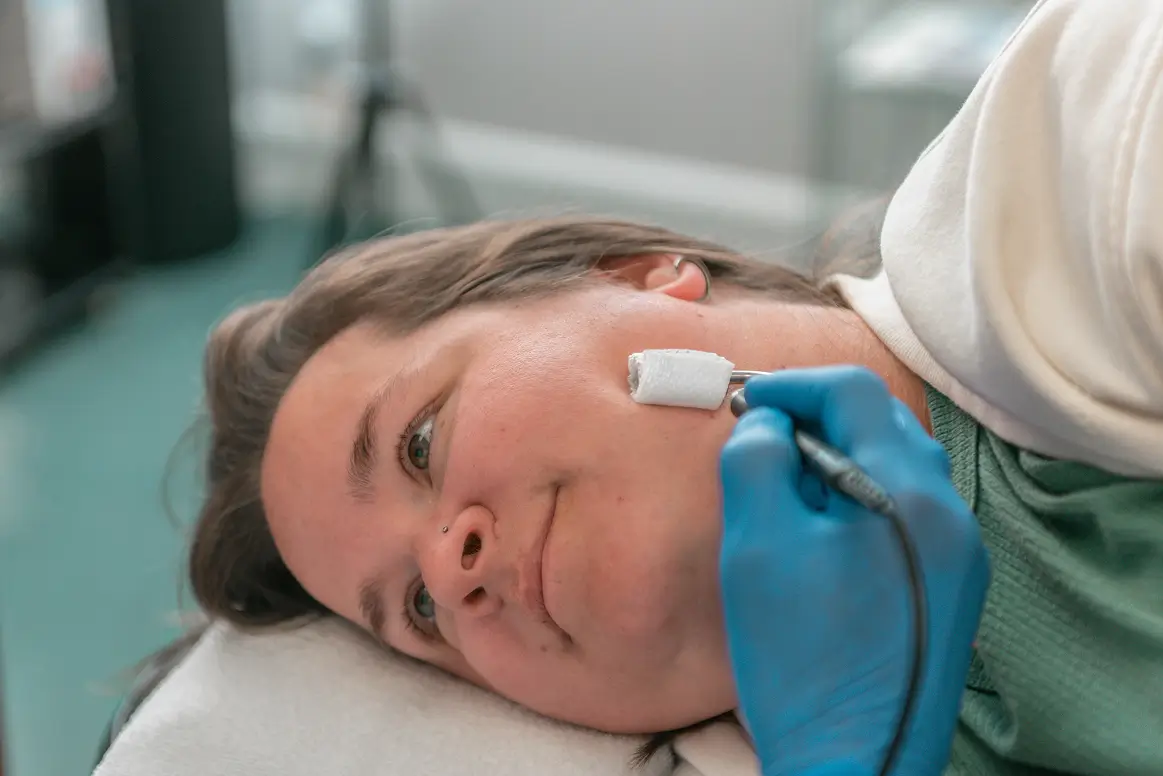
During electrolysis treatment, a thin probe is inserted into the base of each individual hair follicle. A precisely calculated amount of electrical current is applied through the probe targeting the germinative cells of each hair causing a chemical reaction to take place thus permanently destroying them. As a result, this disrupts the hair’s ability to regrow, ensuring permanent results. Electrolysis is the only permanent hair removal method approved by the FDA, and has a proven safety and efficacy track record.
How does electrolysis remove unwanted hair growth?
During electrolysis treatment, a thin probe is inserted into the base of each individual hair follicle. A precisely calculated amount of electrical current is applied through the probe targeting the germinative cells of each hair causing a chemical reaction to take place thus permanently destroying them. As a result, this disrupts the hair’s ability to regrow, ensuring permanent results. Electrolysis is the only permanent hair removal method approved by the FDA, and has a proven safety and efficacy track record.
Why electrolysis is the perfect solution for hormonal hair growth
In contrast to temporary treatments that only offer short-term results and do not work on all hair types, electrolysis is safe, versatile, effective, and suitable for all tones of skin and hair colours, making it the perfect treatment for managing hormonal hair growth.
Here are some of the reasons why electrolysis is the perfect solution for hormone-driven unwanted hair growth.
Life-long results
Electrolysis is the only method recommended and approved by the FDA permanently removing unwanted hair growth for good. Importantly, hormonal hair growth is persistent and rarely goes away on its own, especially if it results from medical conditions such as PMOS (formerlyPCOS). If the hormonal imbalance persists and remains untreated, the excess hair growth can worsen over time.
Safe to use on sensitive areas
When carried out by a skilled and qualified electrologist, electrolysis is safe and effective to use on sensitive areas of the face and body. Hormone-related hair growth often occurs on sensitive and highly visible areas such as the chin, upper lip, sides of the face, and jawline. However, using temporary hair removal methods on these areas such as shaving, waxing, laser hair removal, and depilatory creams can cause irritation and allergic reactions, imbedded and ingrown hairs,
Eliminates ingrown hair
Ingrown hair occurs when hair grows sideways into the skin instead of in the upward direction from the follicle, resulting in inflammation, painful bumps, and even infection. People affected by hormone-driven unwanted hair growth can be particularly susceptible to ingrown hair, since this type of hair growth is typically coarse and curly, and is more prone to creating ingrown hairs. Notably, ingrown hair often results from temporary removal methods such as shaving, tweezing, waxing and threading, since they tend to cut the hair at an angle or change its natural growth direction.
Stop waxing or plucking
To assist the process of electrolysis effectiveness, the hair root must remain intact within the follicle. You should stop waxing, tweezing, or threading and switch exclusively to shaving between sessions.
Electrolysis is a permanent hair removal solution for hormonal hair growth that eliminates ingrown and embedded hairs for good, since each effectively treated hair follicle will never produce new hair again.
High precision and accuracy
Compared to other hair removal methods, electrolysis offers exceptional precision, since it treats individual hair follicles. This makes it the perfect solution for removing unwanted hair from areas with uneven or patchy hormonal hair growth, including the chin and the neck. Electrolysis effectively removes hair of all colours and textures, ranging from fine vellus, fuzzy hairs to dark and coarse hairs.
The number of treatments varies depending on the area being treated, hair density, hair growth cycles, and the severity of hormonal influence. Most clients require multiple sessions over a period of 18-24 months.
Because PCOS can continue to stimulate new follicles over time, periodic maintenance treatments may be needed if hormonal activity remains active. However, once a follicle is successfully treated, that specific follicle will not produce hair again.
No risk of stimulating more hair growth
Certain hair removal methods, such as laser hair removal are often not the best option as it can trigger paradoxical hair growth, especially with fine or vellus hair causing these fine hairs to become thicker and darker, particularly on areas such as the face, neck, and sides of the face. Women with hormone-driven unwanted hair growth are more susceptible to this side effect of laser hair removal. Electrolysis treatment carries no risk of stimulating more hair growth since it treats each individual follicle accurately, precisely, ensuring that it is not able to produce new hairs ever again. This precision is especially important for individuals with PCOS, since they may have isolated areas of increased hair growth rather than a uniform distribution.
Why electrolysis is the perfect solution for hormonal hair growth
In contrast to temporary treatments that only offer short-term results and do not work on all hair types, electrolysis is safe, versatile, effective, and suitable for all tones of skin and hair colours, making it the perfect treatment for managing hormonal hair growth.
Here are some of the reasons why electrolysis is the perfect solution for hormone-driven unwanted hair growth.
Life-long results
Electrolysis is the only method recommended and approved by the FDA permanently removing unwanted hair growth for good. Importantly, hormonal hair growth is persistent and rarely goes away on its own, especially if it results from medical conditions such as PMOS (formerlyPCOS). If the hormonal imbalance persists and remains untreated, the excess hair growth can worsen over time.
Safe to use on sensitive areas
When carried out by a skilled and qualified electrologist, electrolysis is safe and effective to use on sensitive areas of the face and body. Hormone-related hair growth often occurs on sensitive and highly visible areas such as the chin, upper lip, sides of the face, and jawline. However, using temporary hair removal methods on these areas such as shaving, waxing, laser hair removal, and depilatory creams can cause irritation and allergic reactions, imbedded and ingrown hairs,
Eliminates ingrown hair
Ingrown hair occurs when hair grows sideways into the skin instead of in the upward direction from the follicle, resulting in inflammation, painful bumps, and even infection. People affected by hormone-driven unwanted hair growth can be particularly susceptible to ingrown hair, since this type of hair growth is typically coarse and curly, and is more prone to creating ingrown hairs. Notably, ingrown hair often results from temporary removal methods such as shaving, tweezing, waxing and threading, since they tend to cut the hair at an angle or change its natural growth direction.
Stop Waxing or Plucking
To assist the process of electrolysis effectiveness, the hair root must remain intact within the follicle. You should stop waxing, tweezing, or threading and switch exclusively to shaving between sessions.
Electrolysis is a permanent hair removal solution for hormonal hair growth that eliminates ingrown and embedded hairs for good, since each effectively treated hair follicle will never produce new hair again.
High precision and accuracy
Compared to other hair removal methods, electrolysis offers exceptional precision, since it treats individual hair follicles. This makes it the perfect solution for removing unwanted hair from areas with uneven or patchy hormonal hair growth, including the chin and the neck. Electrolysis effectively removes hair of all colours and textures, ranging from fine vellus, fuzzy hairs to dark and coarse hairs.
The number of treatments varies depending on the area being treated, hair density, hair growth cycles, and the severity of hormonal influence. Most clients require multiple sessions over a period of 18-24 months.
Because PCOS can continue to stimulate new follicles over time, periodic maintenance treatments may be needed if hormonal activity remains active. However, once a follicle is successfully treated, that specific follicle will not produce hair again.
No risk of stimulating more hair growth
Certain hair removal methods, such as laser hair removal are often not the best option as it can trigger paradoxical hair growth, especially with fine or vellus hair causing these fine hairs to become thicker and darker, particularly on areas such as the face, neck, and sides of the face. Women with hormone-driven unwanted hair growth are more susceptible to this side effect of laser hair removal. Electrolysis treatment carries no risk of stimulating more hair growth since it treats each individual follicle accurately, precisely, ensuring that it is not able to produce new hairs ever again. This precision is especially important for individuals with PCOS, since they may have isolated areas of increased hair growth rather than a uniform distribution.
Why electrolysis is the perfect solution for hormonal hair growth
In contrast to temporary treatments that only offer short-term results and do not work on all hair types, electrolysis is safe, versatile, effective, and suitable for all tones of skin and hair colours, making it the perfect treatment for managing hormonal hair growth.
Here are some of the reasons why electrolysis is the perfect solution for hormone-driven unwanted hair growth.
Life-long results
Electrolysis is the only method recommended and approved by the FDA permanently removing unwanted hair growth for good. Importantly, hormonal hair growth is persistent and rarely goes away on its own, especially if it results from medical conditions such as PMOS (formerlyPCOS). If the hormonal imbalance persists and remains untreated, the excess hair growth can worsen over time.
Safe to use on sensitive areas
When carried out by a skilled and qualified electrologist, electrolysis is safe and effective to use on sensitive areas of the face and body. Hormone-related hair growth often occurs on sensitive and highly visible areas such as the chin, upper lip, sides of the face, and jawline. However, using temporary hair removal methods on these areas such as shaving, waxing, laser hair removal, and depilatory creams can cause irritation and allergic reactions, imbedded and ingrown hairs,
Eliminates ingrown hair
Ingrown hair occurs when hair grows sideways into the skin instead of in the upward direction from the follicle, resulting in inflammation, painful bumps, and even infection. People affected by hormone-driven unwanted hair growth can be particularly susceptible to ingrown hair, since this type of hair growth is typically coarse and curly, and is more prone to creating ingrown hairs. Notably, ingrown hair often results from temporary removal methods such as shaving, tweezing, waxing and threading, since they tend to cut the hair at an angle or change its natural growth direction.
Stop Waxing or Plucking
To assist the process of electrolysis effectiveness, the hair root must remain intact within the follicle. You should stop waxing, tweezing, or threading and switch exclusively to shaving between sessions.
Electrolysis is a permanent hair removal solution for hormonal hair growth that eliminates ingrown and embedded hairs for good, since each effectively treated hair follicle will never produce new hair again.
High precision and accuracy
Compared to other hair removal methods, electrolysis offers exceptional precision, since it treats individual hair follicles. This makes it the perfect solution for removing unwanted hair from areas with uneven or patchy hormonal hair growth, including the chin and the neck. Electrolysis effectively removes hair of all colours and textures, ranging from fine vellus, fuzzy hairs to dark and coarse hairs.
The number of treatments varies depending on the area being treated, hair density, hair growth cycles, and the severity of hormonal influence. Most clients require multiple sessions over a period of 18-24 months.
Because PCOS can continue to stimulate new follicles over time, periodic maintenance treatments may be needed if hormonal activity remains active. However, once a follicle is successfully treated, that specific follicle will not produce hair again.
No risk of stimulating more hair growth
Certain hair removal methods, such as laser hair removal are often not the best option as it can trigger paradoxical hair growth, especially with fine or vellus hair causing these fine hairs to become thicker and darker, particularly on areas such as the face, neck, and sides of the face. Women with hormone-driven unwanted hair growth are more susceptible to this side effect of laser hair removal. Electrolysis treatment carries no risk of stimulating more hair growth since it treats each individual follicle accurately, precisely, ensuring that it is not able to produce new hairs ever again. This precision is especially important for individuals with PCOS, since they may have isolated areas of increased hair growth rather than a uniform distribution.
Why electrolysis
is the perfect solution for hormonal
hair growth
In contrast to temporary treatments that only offer short-term results and do not work on all hair types, electrolysis is safe, versatile, effective, and suitable for all tones of skin and hair colours, making it the perfect treatment for managing hormonal hair growth.
Here are some of the reasons why electrolysis is the perfect solution for hormone-driven unwanted hair growth.
Life-long results
Electrolysis is the only method recommended and approved by the FDA permanently removing unwanted hair growth for good. Importantly, hormonal hair growth is persistent and rarely goes away on its own, especially if it results from medical conditions such as PMOS (formerlyPCOS). If the hormonal imbalance persists and remains untreated, the excess hair growth can worsen over time.
Safe to use on sensitive areas
When carried out by a skilled and qualified electrologist, electrolysis is safe and effective to use on sensitive areas of the face and body. Hormone-related hair growth often occurs on sensitive and highly visible areas such as the chin, upper lip, sides of the face, and jawline. However, using temporary hair removal methods on these areas such as shaving, waxing, laser hair removal, and depilatory creams can cause irritation and allergic reactions, imbedded and ingrown hairs,
Eliminates ingrown hair
Ingrown hair occurs when hair grows sideways into the skin instead of in the upward direction from the follicle, resulting in inflammation, painful bumps, and even infection. People affected by hormone-driven unwanted hair growth can be particularly susceptible to ingrown hair, since this type of hair growth is typically coarse and curly, and is more prone to creating ingrown hairs. Notably, ingrown hair often results from temporary removal methods such as shaving, tweezing, waxing and threading, since they tend to cut the hair at an angle or change its natural growth direction.
Stop Waxing or Plucking
To assist the process of electrolysis effectiveness, the hair root must remain intact within the follicle. You should stop waxing, tweezing, or threading and switch exclusively to shaving between sessions.
Electrolysis is a permanent hair removal solution for hormonal hair growth that eliminates ingrown and embedded hairs for good, since each effectively treated hair follicle will never produce new hair again.
High precision and accuracy
Compared to other hair removal methods, electrolysis offers exceptional precision, since it treats individual hair follicles. This makes it the perfect solution for removing unwanted hair from areas with uneven or patchy hormonal hair growth, including the chin and the neck. Electrolysis effectively removes hair of all colours and textures, ranging from fine vellus, fuzzy hairs to dark and coarse hairs.
The number of treatments varies depending on the area being treated, hair density, hair growth cycles, and the severity of hormonal influence. Most clients require multiple sessions over a period of 18-24 months.
Because PCOS can continue to stimulate new follicles over time, periodic maintenance treatments may be needed if hormonal activity remains active. However, once a follicle is successfully treated, that specific follicle will not produce hair again.
No risk of stimulating more hair growth
Certain hair removal methods, such as laser hair removal are often not the best option as it can trigger paradoxical hair growth, especially with fine or vellus hair causing these fine hairs to become thicker and darker, particularly on areas such as the face, neck, and sides of the face. Women with hormone-driven unwanted hair growth are more susceptible to this side effect of laser hair removal. Electrolysis treatment carries no risk of stimulating more hair growth since it treats each individual follicle accurately, precisely, ensuring that it is not able to produce new hairs ever again. This precision is especially important for individuals with PCOS, since they may have isolated areas of increased hair growth rather than a uniform distribution.
Complementary to other treatments
Women with PCOS may undergo various treatments, including hormonal therapies, to manage symptoms. Electrolysis can be used in conjunction with these treatments to address the specific concern of unwanted hair growth.
Complementary to Other Treatments
Women with PCOS may undergo various treatments, including hormonal therapies, to manage symptoms. Electrolysis can be used in conjunction with these treatments to address the specific concern of unwanted hair growth.
Complementary to Other Treatments
Women with PCOS may undergo various treatments, including hormonal therapies, to manage symptoms. Electrolysis can be used in conjunction with these treatments to address the specific concern of unwanted hair growth.
Conclusion
Unwanted hair growth due to hormonal imbalances can be very frustrating to deal with. The good news is, electrolysis offers a precise, permanent, precise, and effective solution to get rid of hormonal hair growth for good. All in all, electrolysis can effectively treat all skin and hair types, including highly sensitive areas, which makes it the perfect solution to eliminate stubborn, hormone-related hair, giving you peace of mind and helping to boost your confidence. For anyone seeking permanent removal of hormonal hair growth, electrolysis remains the most dependable and science-backed choice.
Many clients notice a gradual reduction in hair growth throughout the treatment process.
Permanent results are achieved as follicles are treated during their active growth cycle following a personalized treatment plan .
Electrolysis offers the most reliable long-term solution for PCOS-related unwanted hair growth, providing permanent results regardless of hair colour, skin tone, or hormonal hair patterns.
Conclusion
Unwanted hair growth due to hormonal imbalances can be very frustrating to deal with. The good news is, electrolysis offers a precise, permanent, precise, and effective solution to get rid of hormonal hair growth for good. All in all, electrolysis can effectively treat all skin and hair types, including highly sensitive areas, which makes it the perfect solution to eliminate stubborn, hormone-related hair, giving you peace of mind and helping to boost your confidence. For anyone seeking permanent removal of hormonal hair growth, electrolysis remains the most dependable and science-backed choice.
Many clients notice a gradual reduction in hair growth throughout the treatment process.
Permanent results are achieved as follicles are treated during their active growth cycle following a personalized treatment plan .
Electrolysis offers the most reliable long-term solution for PCOS-related unwanted hair growth, providing permanent results regardless of hair colour, skin tone, or hormonal hair patterns.
Ready to stop the cycle for good?
If you’ve been trying to manage hormone related hair growth for months or even years, a complimentary consultation and sample treatment at Allard Studio of Electrolysis in Chilliwack is the place to start. Melody will look at your specific situation, explain what’s actually happening with that hormone driven, unwanted hair, and walk you through what permanently resolving it would look like for you..
⚠️ Melody Froc has owned and operated Allard Studio of Electrolysis since 2000 (established 1990), completed more than 30,000 treatments and specializes in successfully treating hormone related hair growth. She also holds a 5.0 Google rating.
Ready to Stop the Cycle for Good?
If you’ve been trying to manage hormone related hair growth for months or even years, a complimentary consultation and sample treatment at Allard Studio of Electrolysis in Chilliwack is the place to start. Melody will look at your specific situation, explain what’s actually happening with that hormone driven, unwanted hair, and walk you through what permanently resolving it would look like for you..
⚠️ Melody Froc has owned and operated Allard Studio of Electrolysis since 2000 (established 1990), completed more than 30,000 treatments and specializes in successfully treating hormone related hair growth. She also holds a 5.0 Google rating.
Ready to Stop the Cycle for Good?
If you’ve been trying to manage hormone related hair growth for months or even years, a complimentary consultation and sample treatment at Allard Studio of Electrolysis in Chilliwack is the place to start. Melody will look at your specific situation, explain what’s actually happening with that hormone driven, unwanted hair, and walk you through what permanently resolving it would look like for you..
⚠️ Melody Froc has owned and operated Allard Studio of Electrolysis since 2000 (established 1990), completed more than 30,000 treatments and specializes in successfully treating hormone related hair growth. She also holds a 5.0 Google rating.
finally get permanent results
Hair removal for:
Any Skin Type
Every Hair Colour
Safe & Effective
FAQs
If you haven’t had electrolysis treatment before, this information might be useful to you. If you still want to learn more, you can call the studio and we’ll be happy to answer any questions you have.
How long does it take to get rid of unwanted hair with electrolysis?
Most treatment plans run 18–24 months, though the exact timeline depends on your hair growth cycle, density, and history with other hair removal methods. Heredity, hormones, medication, and stress can all influence how hair grows, which is why I don't offer a one-size-fits-all timeline, I build a plan around your specific situation. Appointments typically start weekly or every 3–4 weeks, then space out to every 4–6 weeks as treated follicles stop producing hair for good. A consultation is really the only accurate way to know what your plan will look like, and every client leaves with one built specifically for their goals.
Does electrolysis really work?
Yes, when it's done correctly and the full treatment plan is completed, electrolysis destroys the hair follicle permanently, every time, without fail. When people feel like it "didn't work" for them, it almost always comes down to a few things: the plan wasn't finished, appointments were spaced too far apart, hair was tweezed between sessions, or the electrologist simply wasn't skilled enough. Electrolysis is a precision, skill-based treatment, I insert a tiny probe into each follicle individually and apply the correct current to disable it, which is why training and experience matter as much as your commitment to the plan. I use a surgical microscope during treatment so I can target the follicle accurately without unnecessary contact with the surrounding skin, which means more effective treatment, better comfort, and a shorter path to lasting results. Successful, permanent hair removal is a partnership. I bring the skill, and you bring the consistency.
Is electrolysis really worth it?
Yes, electrolysis is the only hair removal method that permanently destroys the follicle, which means the hair genuinely cannot grow back. It works on every hair colour and skin tone, including grey, white, light blonde, and red hair that laser simply can't treat, and it's safe on areas laser can't touch, like tattooed skin, brows, and darker or tanned skin. Temporary methods like shaving, waxing, threading, and tweezing only interrupt the hair growth cycle rather than ending it, and over time they can actually thicken the hair or lead to ingrown and embedded hairs. Electrolysis takes a real time commitment usually several months to a couple of years, since each follicle is treated individually but it's the only path to completely hair-free, smooth skin with no ongoing touch-ups required. Over a lifetime, that also means real savings on the razors, wax, and creams you'd otherwise keep buying forever.
Why can I shave but not tweeze, wax, thread, or epilate once I begin electrolysis treatments?
Because tweezing, waxing, and threading actually work against the progress we're making. Electrolysis works by gradually shrinking the blood supply to each treated hair, but when you pluck a hair out by the root, your body reads that as an injury and rushes more blood to the area to heal it and more blood supply means a stronger hair. That can undo progress and add extra treatments to your plan. Shaving, on the other hand, only removes hair at the skin's surface without disturbing the follicle, so it's completely safe to use between appointments. And to bust a common myth: shaving doesn't make hair grow back thicker or darker, research going back to 1928 has confirmed this repeatedly. The stubbly feeling after shaving is just the blunt-cut tip growing out, not a change in the hair itself. Clients who've relied on shaving between appointments consistently finish their treatment plans faster than those who've been tweezing or waxing.
How do I prepare for my electrolysis appointment?
A little preparation goes a long way toward a smoother, more comfortable session. Come in well hydrated — drink plenty of water beforehand, and if you've had coffee, balance it with about two glasses of water per cup, since well-hydrated follicles are easier to treat. Gently exfoliate before your appointment so built-up oils and dead skin don't clog the follicle and make insertions harder. If you're being treated somewhere like your underarms or bikini line, trim or shave about 3–4 days ahead so the hair is just long enough to grasp after treatment; for a hair removal consultation, though, I'll need 2–3 days of growth to properly assess the area, so please don't tweeze or pull hair beforehand. Arrive with clean skin, since freshly cleansed skin keeps treatment more comfortable and hygienic. If you're using a numbing cream, apply it well in advance following the product instructions — last-minute application won't give it time to work. And try to avoid heavy sweating right after your session, since freshly treated follicles are more open and sweat can introduce bacteria, so plan any workouts for before your appointment or the next day instead.
How should I care for my skin after treatment?
Aftercare matters just as much as the treatment itself, especially in the first 48 hours while your skin settles and the treated follicles close back up. Try not to touch, pick, or scratch the treated area, since hands carry bacteria that can cause irritation or infection. Skip harsh skincare products anything with fragrance, alcohol, exfoliating grit, or retinoids on the area for a few days, and avoid makeup on treated facial areas for at least 24 hours. A mild astringent like witch hazel or some aloe vera will help keep the area hydrated and support healing, and it's worth protecting the area from direct sun with SPF 30 or higher for the first few days. Hold off on strenuous exercise or saunas, since sweat introduces bacteria that can lead to pimples in freshly treated follicles. If irritation is still noticeable on day two, a 1% hydrocortisone cream can calm redness and swelling, and a cool compress right after treatment helps too. It's also common for small white pustules to appear leave them alone rather than picking, and a warm Epsom salt compress the evening of and morning after treatment will help them heal faster.
What should I expect after my electrolysis treatment?
Small pimples can show up too, especially for clients with oilier skin. Bruising is rare, it isn't something most clients experience but on the odd occasion a small bruise can appear if a follicle was pierced or if you're on blood thinners. When it does happen, it usually resolves within 7–10 days, and it's worth mentioning to me so I can adjust your treatment.
Can electrolysis permanently treat ingrown and embedded hairs?
Yes, because electrolysis disables the follicle itself rather than just removing the hair, it stops ingrown and embedded hairs from coming back in that same spot. An ingrown hair keeps reappearing in the same place because the follicle producing it is still active; until that follicle is permanently disabled, the same problem will keep resurfacing no matter how many times the hair is extracted. Since electrolysis doesn't rely on light absorption into skin pigment the way laser does, it also doesn't carry the same risk of further discolouration on skin that's already irritated. I can often treat an embedded hair even while it's active or inflamed, though sometimes I'll recommend letting an actively inflamed area calm down first so treatment stays comfortable and effective. And while carefully trimming or shaving the area (rather than pulling the hair out) can ease irritation in the meantime, it doesn't resolve the underlying cause only permanently disabling the follicle does that. Existing marks often fade on their own once the skin isn't being repeatedly irritated.
Does electrolysis hurt?
Electrolysis can feel uncomfortable at times, but most clients find it completely manageable, especially with an experienced electrologist pain tolerance varies a lot from person to person, and some clients even fall asleep during treatment. If you'd like some extra comfort, listening to music or a podcast is a simple, effective distraction for a lot of people. Over-the-counter pain relievers like Advil or Tylenol taken 20–30 minutes before your appointment can help take the edge off, and some clients prefer to discuss prescription options with their doctor. I also offer a 5% lidocaine topical numbing cream, Zenza, available for purchase at my office, which can be applied ahead of your appointment following the manufacturer's directions.
Can electrolysis treat trichiasis (ingrown or turned-in eyelashes)?
Yes, electrolysis has been used to permanently treat trichiasis since 1875, and it remains one of the only ways to truly resolve it rather than just manage it. Trichiasis, or ingrown and turned-in eyelashes, can be caused by excessive eye rubbing, genetics, certain medications like glaucoma eye drops, or simply the loss of skin elasticity that comes with age. Left untreated, it can lead to serious eye infections and even irreversible damage to the surface of the eye. Tweezing the lash brings only temporary relief and can distort the follicle over time, leading to embedded lashes and irritation to nearby lashes and skin. Electrolysis destroys the germinative cells responsible for producing that lash, so the follicle can never grow one again. I'm fortunate to provide this treatment in partnership with a local ophthalmologist, bringing my equipment to his office to treat his patients' ingrown and turned-in eyelashes under his supervision and ongoing care.
FAQs
If you haven’t had electrolysis treatment before, this information might be useful to you. If you still want to learn more, you can call the studio and we’ll be happy to answer any questions you have.
How long does it take to get rid of unwanted hair with electrolysis?
Most treatment plans run 18–24 months, though the exact timeline depends on your hair growth cycle, density, and history with other hair removal methods. Heredity, hormones, medication, and stress can all influence how hair grows, which is why I don't offer a one-size-fits-all timeline, I build a plan around your specific situation. Appointments typically start weekly or every 3–4 weeks, then space out to every 4–6 weeks as treated follicles stop producing hair for good. A consultation is really the only accurate way to know what your plan will look like, and every client leaves with one built specifically for their goals.
Does electrolysis really work?
Yes, when it's done correctly and the full treatment plan is completed, electrolysis destroys the hair follicle permanently, every time, without fail. When people feel like it "didn't work" for them, it almost always comes down to a few things: the plan wasn't finished, appointments were spaced too far apart, hair was tweezed between sessions, or the electrologist simply wasn't skilled enough. Electrolysis is a precision, skill-based treatment, I insert a tiny probe into each follicle individually and apply the correct current to disable it, which is why training and experience matter as much as your commitment to the plan. I use a surgical microscope during treatment so I can target the follicle accurately without unnecessary contact with the surrounding skin, which means more effective treatment, better comfort, and a shorter path to lasting results. Successful, permanent hair removal is a partnership. I bring the skill, and you bring the consistency.
Is electrolysis really worth it?
Yes, electrolysis is the only hair removal method that permanently destroys the follicle, which means the hair genuinely cannot grow back. It works on every hair colour and skin tone, including grey, white, light blonde, and red hair that laser simply can't treat, and it's safe on areas laser can't touch, like tattooed skin, brows, and darker or tanned skin. Temporary methods like shaving, waxing, threading, and tweezing only interrupt the hair growth cycle rather than ending it, and over time they can actually thicken the hair or lead to ingrown and embedded hairs. Electrolysis takes a real time commitment usually several months to a couple of years, since each follicle is treated individually but it's the only path to completely hair-free, smooth skin with no ongoing touch-ups required. Over a lifetime, that also means real savings on the razors, wax, and creams you'd otherwise keep buying forever.
Why can I shave but not tweeze, wax, thread, or epilate once I begin electrolysis treatments?
Because tweezing, waxing, and threading actually work against the progress we're making. Electrolysis works by gradually shrinking the blood supply to each treated hair, but when you pluck a hair out by the root, your body reads that as an injury and rushes more blood to the area to heal it and more blood supply means a stronger hair. That can undo progress and add extra treatments to your plan. Shaving, on the other hand, only removes hair at the skin's surface without disturbing the follicle, so it's completely safe to use between appointments. And to bust a common myth: shaving doesn't make hair grow back thicker or darker, research going back to 1928 has confirmed this repeatedly. The stubbly feeling after shaving is just the blunt-cut tip growing out, not a change in the hair itself. Clients who've relied on shaving between appointments consistently finish their treatment plans faster than those who've been tweezing or waxing.
How do I prepare for my electrolysis appointment?
A little preparation goes a long way toward a smoother, more comfortable session. Come in well hydrated — drink plenty of water beforehand, and if you've had coffee, balance it with about two glasses of water per cup, since well-hydrated follicles are easier to treat. Gently exfoliate before your appointment so built-up oils and dead skin don't clog the follicle and make insertions harder. If you're being treated somewhere like your underarms or bikini line, trim or shave about 3–4 days ahead so the hair is just long enough to grasp after treatment; for a hair removal consultation, though, I'll need 2–3 days of growth to properly assess the area, so please don't tweeze or pull hair beforehand. Arrive with clean skin, since freshly cleansed skin keeps treatment more comfortable and hygienic. If you're using a numbing cream, apply it well in advance following the product instructions — last-minute application won't give it time to work. And try to avoid heavy sweating right after your session, since freshly treated follicles are more open and sweat can introduce bacteria, so plan any workouts for before your appointment or the next day instead.
How should I care for my skin after treatment?
Aftercare matters just as much as the treatment itself, especially in the first 48 hours while your skin settles and the treated follicles close back up. Try not to touch, pick, or scratch the treated area, since hands carry bacteria that can cause irritation or infection. Skip harsh skincare products anything with fragrance, alcohol, exfoliating grit, or retinoids on the area for a few days, and avoid makeup on treated facial areas for at least 24 hours. A mild astringent like witch hazel or some aloe vera will help keep the area hydrated and support healing, and it's worth protecting the area from direct sun with SPF 30 or higher for the first few days. Hold off on strenuous exercise or saunas, since sweat introduces bacteria that can lead to pimples in freshly treated follicles. If irritation is still noticeable on day two, a 1% hydrocortisone cream can calm redness and swelling, and a cool compress right after treatment helps too. It's also common for small white pustules to appear leave them alone rather than picking, and a warm Epsom salt compress the evening of and morning after treatment will help them heal faster.
What should I expect after my electrolysis treatment?
Small pimples can show up too, especially for clients with oilier skin. Bruising is rare, it isn't something most clients experience but on the odd occasion a small bruise can appear if a follicle was pierced or if you're on blood thinners. When it does happen, it usually resolves within 7–10 days, and it's worth mentioning to me so I can adjust your treatment.
Can electrolysis permanently treat ingrown and embedded hairs?
Yes, because electrolysis disables the follicle itself rather than just removing the hair, it stops ingrown and embedded hairs from coming back in that same spot. An ingrown hair keeps reappearing in the same place because the follicle producing it is still active; until that follicle is permanently disabled, the same problem will keep resurfacing no matter how many times the hair is extracted. Since electrolysis doesn't rely on light absorption into skin pigment the way laser does, it also doesn't carry the same risk of further discolouration on skin that's already irritated. I can often treat an embedded hair even while it's active or inflamed, though sometimes I'll recommend letting an actively inflamed area calm down first so treatment stays comfortable and effective. And while carefully trimming or shaving the area (rather than pulling the hair out) can ease irritation in the meantime, it doesn't resolve the underlying cause only permanently disabling the follicle does that. Existing marks often fade on their own once the skin isn't being repeatedly irritated.
Does electrolysis hurt?
Electrolysis can feel uncomfortable at times, but most clients find it completely manageable, especially with an experienced electrologist pain tolerance varies a lot from person to person, and some clients even fall asleep during treatment. If you'd like some extra comfort, listening to music or a podcast is a simple, effective distraction for a lot of people. Over-the-counter pain relievers like Advil or Tylenol taken 20–30 minutes before your appointment can help take the edge off, and some clients prefer to discuss prescription options with their doctor. I also offer a 5% lidocaine topical numbing cream, Zenza, available for purchase at my office, which can be applied ahead of your appointment following the manufacturer's directions.
Can electrolysis treat trichiasis (ingrown or turned-in eyelashes)?
Yes, electrolysis has been used to permanently treat trichiasis since 1875, and it remains one of the only ways to truly resolve it rather than just manage it. Trichiasis, or ingrown and turned-in eyelashes, can be caused by excessive eye rubbing, genetics, certain medications like glaucoma eye drops, or simply the loss of skin elasticity that comes with age. Left untreated, it can lead to serious eye infections and even irreversible damage to the surface of the eye. Tweezing the lash brings only temporary relief and can distort the follicle over time, leading to embedded lashes and irritation to nearby lashes and skin. Electrolysis destroys the germinative cells responsible for producing that lash, so the follicle can never grow one again. I'm fortunate to provide this treatment in partnership with a local ophthalmologist, bringing my equipment to his office to treat his patients' ingrown and turned-in eyelashes under his supervision and ongoing care.
FAQs
If you haven’t had electrolysis treatment before, this information might be useful to you. If you still want to learn more, you can call the studio and we’ll be happy to answer any questions you have.
How long does it take to get rid of unwanted hair with electrolysis?
Most treatment plans run 18–24 months, though the exact timeline depends on your hair growth cycle, density, and history with other hair removal methods. Heredity, hormones, medication, and stress can all influence how hair grows, which is why I don't offer a one-size-fits-all timeline, I build a plan around your specific situation. Appointments typically start weekly or every 3–4 weeks, then space out to every 4–6 weeks as treated follicles stop producing hair for good. A consultation is really the only accurate way to know what your plan will look like, and every client leaves with one built specifically for their goals.
Does electrolysis really work?
Yes, when it's done correctly and the full treatment plan is completed, electrolysis destroys the hair follicle permanently, every time, without fail. When people feel like it "didn't work" for them, it almost always comes down to a few things: the plan wasn't finished, appointments were spaced too far apart, hair was tweezed between sessions, or the electrologist simply wasn't skilled enough. Electrolysis is a precision, skill-based treatment, I insert a tiny probe into each follicle individually and apply the correct current to disable it, which is why training and experience matter as much as your commitment to the plan. I use a surgical microscope during treatment so I can target the follicle accurately without unnecessary contact with the surrounding skin, which means more effective treatment, better comfort, and a shorter path to lasting results. Successful, permanent hair removal is a partnership. I bring the skill, and you bring the consistency.
Is electrolysis really worth it?
Yes, electrolysis is the only hair removal method that permanently destroys the follicle, which means the hair genuinely cannot grow back. It works on every hair colour and skin tone, including grey, white, light blonde, and red hair that laser simply can't treat, and it's safe on areas laser can't touch, like tattooed skin, brows, and darker or tanned skin. Temporary methods like shaving, waxing, threading, and tweezing only interrupt the hair growth cycle rather than ending it, and over time they can actually thicken the hair or lead to ingrown and embedded hairs. Electrolysis takes a real time commitment usually several months to a couple of years, since each follicle is treated individually but it's the only path to completely hair-free, smooth skin with no ongoing touch-ups required. Over a lifetime, that also means real savings on the razors, wax, and creams you'd otherwise keep buying forever.
Why can I shave but not tweeze, wax, thread, or epilate once I begin electrolysis treatments?
Because tweezing, waxing, and threading actually work against the progress we're making. Electrolysis works by gradually shrinking the blood supply to each treated hair, but when you pluck a hair out by the root, your body reads that as an injury and rushes more blood to the area to heal it and more blood supply means a stronger hair. That can undo progress and add extra treatments to your plan. Shaving, on the other hand, only removes hair at the skin's surface without disturbing the follicle, so it's completely safe to use between appointments. And to bust a common myth: shaving doesn't make hair grow back thicker or darker, research going back to 1928 has confirmed this repeatedly. The stubbly feeling after shaving is just the blunt-cut tip growing out, not a change in the hair itself. Clients who've relied on shaving between appointments consistently finish their treatment plans faster than those who've been tweezing or waxing.
How do I prepare for my electrolysis appointment?
A little preparation goes a long way toward a smoother, more comfortable session. Come in well hydrated — drink plenty of water beforehand, and if you've had coffee, balance it with about two glasses of water per cup, since well-hydrated follicles are easier to treat. Gently exfoliate before your appointment so built-up oils and dead skin don't clog the follicle and make insertions harder. If you're being treated somewhere like your underarms or bikini line, trim or shave about 3–4 days ahead so the hair is just long enough to grasp after treatment; for a hair removal consultation, though, I'll need 2–3 days of growth to properly assess the area, so please don't tweeze or pull hair beforehand. Arrive with clean skin, since freshly cleansed skin keeps treatment more comfortable and hygienic. If you're using a numbing cream, apply it well in advance following the product instructions — last-minute application won't give it time to work. And try to avoid heavy sweating right after your session, since freshly treated follicles are more open and sweat can introduce bacteria, so plan any workouts for before your appointment or the next day instead.
How should I care for my skin after treatment?
Aftercare matters just as much as the treatment itself, especially in the first 48 hours while your skin settles and the treated follicles close back up. Try not to touch, pick, or scratch the treated area, since hands carry bacteria that can cause irritation or infection. Skip harsh skincare products anything with fragrance, alcohol, exfoliating grit, or retinoids on the area for a few days, and avoid makeup on treated facial areas for at least 24 hours. A mild astringent like witch hazel or some aloe vera will help keep the area hydrated and support healing, and it's worth protecting the area from direct sun with SPF 30 or higher for the first few days. Hold off on strenuous exercise or saunas, since sweat introduces bacteria that can lead to pimples in freshly treated follicles. If irritation is still noticeable on day two, a 1% hydrocortisone cream can calm redness and swelling, and a cool compress right after treatment helps too. It's also common for small white pustules to appear leave them alone rather than picking, and a warm Epsom salt compress the evening of and morning after treatment will help them heal faster.
What should I expect after my electrolysis treatment?
Small pimples can show up too, especially for clients with oilier skin. Bruising is rare, it isn't something most clients experience but on the odd occasion a small bruise can appear if a follicle was pierced or if you're on blood thinners. When it does happen, it usually resolves within 7–10 days, and it's worth mentioning to me so I can adjust your treatment.
Can electrolysis permanently treat ingrown and embedded hairs?
Yes, because electrolysis disables the follicle itself rather than just removing the hair, it stops ingrown and embedded hairs from coming back in that same spot. An ingrown hair keeps reappearing in the same place because the follicle producing it is still active; until that follicle is permanently disabled, the same problem will keep resurfacing no matter how many times the hair is extracted. Since electrolysis doesn't rely on light absorption into skin pigment the way laser does, it also doesn't carry the same risk of further discolouration on skin that's already irritated. I can often treat an embedded hair even while it's active or inflamed, though sometimes I'll recommend letting an actively inflamed area calm down first so treatment stays comfortable and effective. And while carefully trimming or shaving the area (rather than pulling the hair out) can ease irritation in the meantime, it doesn't resolve the underlying cause only permanently disabling the follicle does that. Existing marks often fade on their own once the skin isn't being repeatedly irritated.
Does electrolysis hurt?
Electrolysis can feel uncomfortable at times, but most clients find it completely manageable, especially with an experienced electrologist pain tolerance varies a lot from person to person, and some clients even fall asleep during treatment. If you'd like some extra comfort, listening to music or a podcast is a simple, effective distraction for a lot of people. Over-the-counter pain relievers like Advil or Tylenol taken 20–30 minutes before your appointment can help take the edge off, and some clients prefer to discuss prescription options with their doctor. I also offer a 5% lidocaine topical numbing cream, Zenza, available for purchase at my office, which can be applied ahead of your appointment following the manufacturer's directions.
Can electrolysis treat trichiasis (ingrown or turned-in eyelashes)?
Yes, electrolysis has been used to permanently treat trichiasis since 1875, and it remains one of the only ways to truly resolve it rather than just manage it. Trichiasis, or ingrown and turned-in eyelashes, can be caused by excessive eye rubbing, genetics, certain medications like glaucoma eye drops, or simply the loss of skin elasticity that comes with age. Left untreated, it can lead to serious eye infections and even irreversible damage to the surface of the eye. Tweezing the lash brings only temporary relief and can distort the follicle over time, leading to embedded lashes and irritation to nearby lashes and skin. Electrolysis destroys the germinative cells responsible for producing that lash, so the follicle can never grow one again. I'm fortunate to provide this treatment in partnership with a local ophthalmologist, bringing my equipment to his office to treat his patients' ingrown and turned-in eyelashes under his supervision and ongoing care.

FAQs
If you haven’t had electrolysis treatment before, this information might be useful to you. If you still want to learn more, you can call the studio and we’ll be happy to answer any questions you have.
How long does it take to get rid of unwanted hair with electrolysis?
Most treatment plans run 18–24 months, though the exact timeline depends on your hair growth cycle, density, and history with other hair removal methods. Heredity, hormones, medication, and stress can all influence how hair grows, which is why I don't offer a one-size-fits-all timeline, I build a plan around your specific situation. Appointments typically start weekly or every 3–4 weeks, then space out to every 4–6 weeks as treated follicles stop producing hair for good. A consultation is really the only accurate way to know what your plan will look like, and every client leaves with one built specifically for their goals.
Does electrolysis really work?
Yes, when it's done correctly and the full treatment plan is completed, electrolysis destroys the hair follicle permanently, every time, without fail. When people feel like it "didn't work" for them, it almost always comes down to a few things: the plan wasn't finished, appointments were spaced too far apart, hair was tweezed between sessions, or the electrologist simply wasn't skilled enough. Electrolysis is a precision, skill-based treatment, I insert a tiny probe into each follicle individually and apply the correct current to disable it, which is why training and experience matter as much as your commitment to the plan. I use a surgical microscope during treatment so I can target the follicle accurately without unnecessary contact with the surrounding skin, which means more effective treatment, better comfort, and a shorter path to lasting results. Successful, permanent hair removal is a partnership. I bring the skill, and you bring the consistency.
Is electrolysis really worth it?
Yes, electrolysis is the only hair removal method that permanently destroys the follicle, which means the hair genuinely cannot grow back. It works on every hair colour and skin tone, including grey, white, light blonde, and red hair that laser simply can't treat, and it's safe on areas laser can't touch, like tattooed skin, brows, and darker or tanned skin. Temporary methods like shaving, waxing, threading, and tweezing only interrupt the hair growth cycle rather than ending it, and over time they can actually thicken the hair or lead to ingrown and embedded hairs. Electrolysis takes a real time commitment usually several months to a couple of years, since each follicle is treated individually but it's the only path to completely hair-free, smooth skin with no ongoing touch-ups required. Over a lifetime, that also means real savings on the razors, wax, and creams you'd otherwise keep buying forever.
Why can I shave but not tweeze, wax, thread, or epilate once I begin electrolysis treatments?
Because tweezing, waxing, and threading actually work against the progress we're making. Electrolysis works by gradually shrinking the blood supply to each treated hair, but when you pluck a hair out by the root, your body reads that as an injury and rushes more blood to the area to heal it and more blood supply means a stronger hair. That can undo progress and add extra treatments to your plan. Shaving, on the other hand, only removes hair at the skin's surface without disturbing the follicle, so it's completely safe to use between appointments. And to bust a common myth: shaving doesn't make hair grow back thicker or darker, research going back to 1928 has confirmed this repeatedly. The stubbly feeling after shaving is just the blunt-cut tip growing out, not a change in the hair itself. Clients who've relied on shaving between appointments consistently finish their treatment plans faster than those who've been tweezing or waxing.
How do I prepare for my electrolysis appointment?
A little preparation goes a long way toward a smoother, more comfortable session. Come in well hydrated — drink plenty of water beforehand, and if you've had coffee, balance it with about two glasses of water per cup, since well-hydrated follicles are easier to treat. Gently exfoliate before your appointment so built-up oils and dead skin don't clog the follicle and make insertions harder. If you're being treated somewhere like your underarms or bikini line, trim or shave about 3–4 days ahead so the hair is just long enough to grasp after treatment; for a hair removal consultation, though, I'll need 2–3 days of growth to properly assess the area, so please don't tweeze or pull hair beforehand. Arrive with clean skin, since freshly cleansed skin keeps treatment more comfortable and hygienic. If you're using a numbing cream, apply it well in advance following the product instructions — last-minute application won't give it time to work. And try to avoid heavy sweating right after your session, since freshly treated follicles are more open and sweat can introduce bacteria, so plan any workouts for before your appointment or the next day instead.
How should I care for my skin after treatment?
Aftercare matters just as much as the treatment itself, especially in the first 48 hours while your skin settles and the treated follicles close back up. Try not to touch, pick, or scratch the treated area, since hands carry bacteria that can cause irritation or infection. Skip harsh skincare products anything with fragrance, alcohol, exfoliating grit, or retinoids on the area for a few days, and avoid makeup on treated facial areas for at least 24 hours. A mild astringent like witch hazel or some aloe vera will help keep the area hydrated and support healing, and it's worth protecting the area from direct sun with SPF 30 or higher for the first few days. Hold off on strenuous exercise or saunas, since sweat introduces bacteria that can lead to pimples in freshly treated follicles. If irritation is still noticeable on day two, a 1% hydrocortisone cream can calm redness and swelling, and a cool compress right after treatment helps too. It's also common for small white pustules to appear leave them alone rather than picking, and a warm Epsom salt compress the evening of and morning after treatment will help them heal faster.
What should I expect after my electrolysis treatment?
Small pimples can show up too, especially for clients with oilier skin. Bruising is rare, it isn't something most clients experience but on the odd occasion a small bruise can appear if a follicle was pierced or if you're on blood thinners. When it does happen, it usually resolves within 7–10 days, and it's worth mentioning to me so I can adjust your treatment.
Can electrolysis permanently treat ingrown and embedded hairs?
Yes, because electrolysis disables the follicle itself rather than just removing the hair, it stops ingrown and embedded hairs from coming back in that same spot. An ingrown hair keeps reappearing in the same place because the follicle producing it is still active; until that follicle is permanently disabled, the same problem will keep resurfacing no matter how many times the hair is extracted. Since electrolysis doesn't rely on light absorption into skin pigment the way laser does, it also doesn't carry the same risk of further discolouration on skin that's already irritated. I can often treat an embedded hair even while it's active or inflamed, though sometimes I'll recommend letting an actively inflamed area calm down first so treatment stays comfortable and effective. And while carefully trimming or shaving the area (rather than pulling the hair out) can ease irritation in the meantime, it doesn't resolve the underlying cause only permanently disabling the follicle does that. Existing marks often fade on their own once the skin isn't being repeatedly irritated.
Does electrolysis hurt?
Electrolysis can feel uncomfortable at times, but most clients find it completely manageable, especially with an experienced electrologist pain tolerance varies a lot from person to person, and some clients even fall asleep during treatment. If you'd like some extra comfort, listening to music or a podcast is a simple, effective distraction for a lot of people. Over-the-counter pain relievers like Advil or Tylenol taken 20–30 minutes before your appointment can help take the edge off, and some clients prefer to discuss prescription options with their doctor. I also offer a 5% lidocaine topical numbing cream, Zenza, available for purchase at my office, which can be applied ahead of your appointment following the manufacturer's directions.
Can electrolysis treat trichiasis (ingrown or turned-in eyelashes)?
Yes, electrolysis has been used to permanently treat trichiasis since 1875, and it remains one of the only ways to truly resolve it rather than just manage it. Trichiasis, or ingrown and turned-in eyelashes, can be caused by excessive eye rubbing, genetics, certain medications like glaucoma eye drops, or simply the loss of skin elasticity that comes with age. Left untreated, it can lead to serious eye infections and even irreversible damage to the surface of the eye. Tweezing the lash brings only temporary relief and can distort the follicle over time, leading to embedded lashes and irritation to nearby lashes and skin. Electrolysis destroys the germinative cells responsible for producing that lash, so the follicle can never grow one again. I'm fortunate to provide this treatment in partnership with a local ophthalmologist, bringing my equipment to his office to treat his patients' ingrown and turned-in eyelashes under his supervision and ongoing care.
Say a final goodbye to unwanted hair
Book your complimentary consultation with Allard studio and bring an end to waxing, pulling, and plucking for good.


Say a final goodbye to unwanted hair
Book your complimentary consultation with Allard studio and bring an end to waxing, pulling, and plucking for good.


Say a final goodbye to unwanted hair
Book your complimentary consultation with Allard studio and bring an end to waxing, pulling, and plucking for good.
Say a final goodbye to unwanted hair
Book your complimentary consultation with Allard studio and bring an end to waxing, pulling, and plucking for good.
Ready to start permanent hair removal?
Certifications:
Certified 500-hr Graduate Electrologist | ATIA
Certified Canadian Electrologist | FCEA
Registered Electrologist in Good Standing | TAPEBC
Certified Professional Electrologist | FCEA
15-Year Growth and Customer Satisfaction Award | ASOE
Certificate of Membership | aea
Bono-Blend Method Trained | BEN
Dectro Modern Electrolysis Symposium Completion | AD
Certified Electrologist in Good Standing | COPE
Professional Development Certificate of Attendance | COPE
Gender Diversity educated | phsa
Surgical Preparation Hair Removal Skill Acquisition | COPE
Trans Care BC Approved Provider | PHSA
25 Years Dedicated Practice | TAPEBC
Book your complimentary consultation with Allard Studio

Ready to start permanent hair removal?
Certifications:
Certified 500-hr Graduate Electrologist | ATIA
Certified Canadian Electrologist | FCEA
Registered Electrologist in Good Standing | TAPEBC
Certified Professional Electrologist | FCEA
15-Year Growth and Customer Satisfaction Award | ASOE
Certificate of Membership | aea
Bono-Blend Method Trained | BEN
Dectro Modern Electrolysis Symposium Completion | AD
Certified Electrologist in Good Standing | COPE
Professional Development Certificate of Attendance | COPE
Gender Diversity educated | phsa
Surgical Preparation Hair Removal Skill Acquisition | COPE
Trans Care BC Approved Provider | PHSA
25 Years Dedicated Practice | TAPEBC
Book your complimentary consultation with Allard Studio

Ready to start permanent hair removal?
Book your complimentary consultation with Allard Studio

Certifications:
Trans Care BC Approved Provider
Certified Graduate Electrologist | ATIA
Certified Canadian Electrologist | FCEA
Certified Professional Electrologist | FCEA
Surgical Preparation Hair Removal | cope
15-Year Achievement Award | asoe
Certificate of Membership | aea
Blend Method trained | ben
10 Years of Dedicated Practice | apebc
Member in Good Standing | FCEA
Member in Good Standing | cope
Modern Electrolysis completion | ad
Gender Diversity educated | phsa
Certificate of Attendance | cope
Trans Care BC Approved Provider
Certified Graduate Electrologist | ATIA
Certified Canadian Electrologist | FCEA
Certified Professional Electrologist | FCEA
Surgical Preparation Hair Removal | cope
15-Year Achievement Award | asoe
Certificate of Membership | aea
Blend Method trained | ben
10 Years of Dedicated Practice | apebc
Member in Good Standing | FCEA
Member in Good Standing | cope
Modern Electrolysis completion | ad
Gender Diversity educated | phsa
Certificate of Attendance | cope
Trans Care BC Approved Provider
Certified Graduate Electrologist | ATIA
Certified Canadian Electrologist | FCEA
Certified Professional Electrologist | FCEA
Surgical Preparation Hair Removal | cope
15-Year Achievement Award | asoe
Certificate of Membership | aea
Blend Method trained | ben
10 Years of Dedicated Practice | apebc
Member in Good Standing | FCEA
Member in Good Standing | cope
Modern Electrolysis completion | ad
Gender Diversity educated | phsa
Certificate of Attendance | cope
Ready to start permanent hair removal?
Book your complimentary consultation with Allard Studio

Certifications:
Trans Care BC Approved Provider
Certified Graduate Electrologist | ATIA
Certified Canadian Electrologist | FCEA
Certified Professional Electrologist | FCEA
Surgical Preparation Hair Removal | cope
15-Year Achievement Award | asoe
Certificate of Membership | aea
Blend Method trained | ben
10 Years of Dedicated Practice | apebc
Member in Good Standing | FCEA
Member in Good Standing | cope
Modern Electrolysis completion | ad
Gender Diversity educated | phsa
Certificate of Attendance | cope
Trans Care BC Approved Provider
Certified Graduate Electrologist | ATIA
Certified Canadian Electrologist | FCEA
Certified Professional Electrologist | FCEA
Surgical Preparation Hair Removal | cope
15-Year Achievement Award | asoe
Certificate of Membership | aea
Blend Method trained | ben
10 Years of Dedicated Practice | apebc
Member in Good Standing | FCEA
Member in Good Standing | cope
Modern Electrolysis completion | ad
Gender Diversity educated | phsa
Certificate of Attendance | cope
Trans Care BC Approved Provider
Certified Graduate Electrologist | ATIA
Certified Canadian Electrologist | FCEA
Certified Professional Electrologist | FCEA
Surgical Preparation Hair Removal | cope
15-Year Achievement Award | asoe
Certificate of Membership | aea
Blend Method trained | ben
10 Years of Dedicated Practice | apebc
Member in Good Standing | FCEA
Member in Good Standing | cope
Modern Electrolysis completion | ad
Gender Diversity educated | phsa
Certificate of Attendance | cope


